Essential Advice for Cost-Effective Auto Repair: Save Hours and Cash
Identifying economical auto repair can be a challenging task for many vehicle operators. With various options accessible, it is fundamental to engage with the process strategically. By exploring local mechanics and appreciating automobile maintenance necessities, individuals can evade unnecessary expenses. There are also ways to tackle minor issues on their own. However, the journey doesn't end there; assessing other economical options can lead to even greater savings. What methods might be worth considering next?
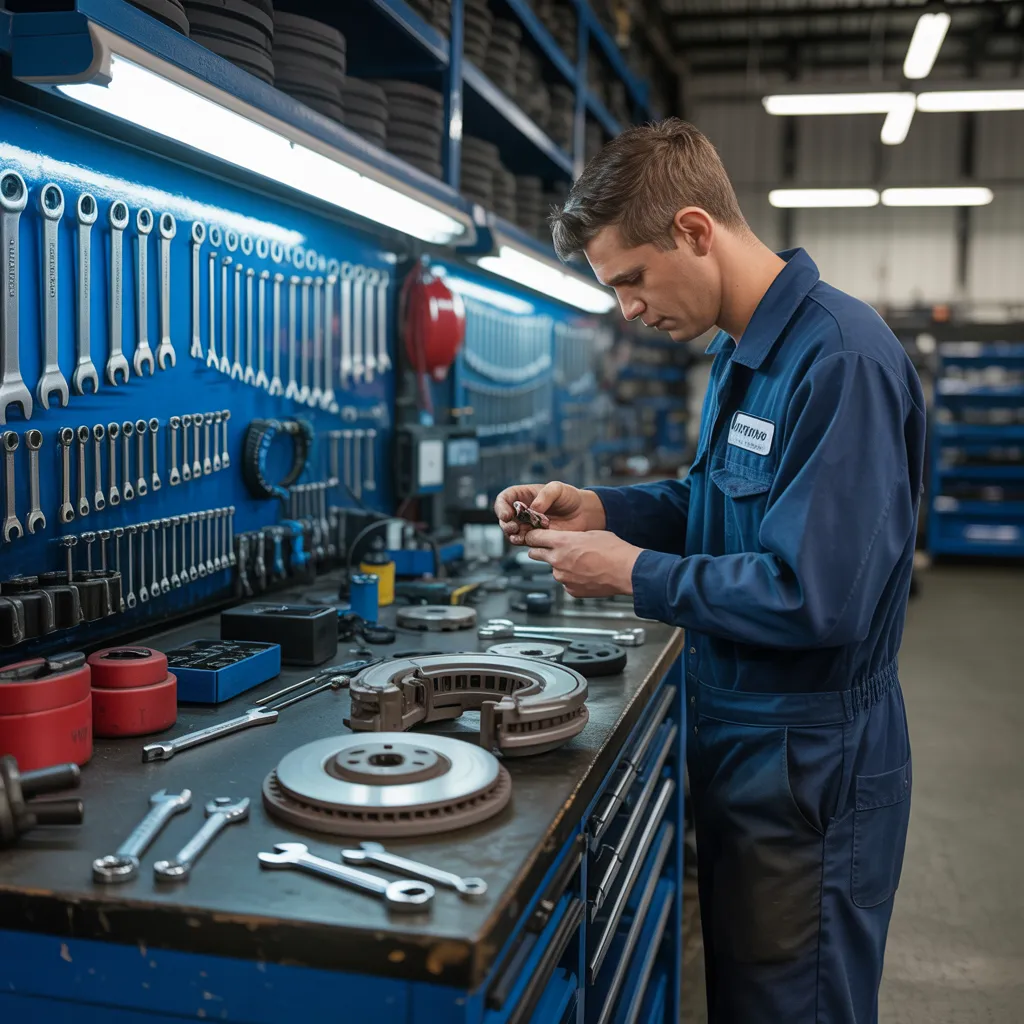
Examine and Compare Local Mechanics
When seeking affordable auto repair, it is vital to research and compare local mechanics to guarantee the best value for service. A detailed examination involves reviewing online reviews, ratings, and testimonials to assess the quality of service provided. Consumers should also inquire about the certifications and experience of the mechanics, as this can greatly influence the reliability of repairs.
Furthermore, acquiring estimates from multiple shops provides understanding into the average prices for specific services. This analysis helps to spot any excessively priced or suspiciously low prices. Moreover, visiting mechanics in person enables for a better assessment of their expertise and customer service, which are critical factors in establishing trust.
In the end, meticulous study and evaluation allow vehicle owners to make informed decisions, ensuring they pick a mechanic who delivers both superior workmanship and fair pricing, thereby cutting costs in the long run.
Learn about your car's service requirements
How can vehicle owners make sure their cars stay in optimal condition? Grasping a vehicle's maintenance needs is essential. Each car comes with a manufacturer's maintenance schedule, specifying when particular maintenance should be performed. This schedule usually features oil changes, tire additional resource rotations, brake inspections, and fluid replacements. Adhering to these recommendations helps prevent costly repairs down the line.
In addition, vehicle proprietors should be aware of danger signals suggesting potential difficulties, such as strange sounds or dashboard warnings. Frequently checking fluid levels, tyre inflation, and the condition of belts and hoses can also extend a car's life expectancy.
Implement DIY fixes for minor troubles
Grasping a car's maintenance needs creates the groundwork for quality car care, yet many small problems can be resolved through DIY fixes. For instance, tasks like replacing wiper blades, swapping out air filters, or topping off fluids can be easily managed by car owners. DIY repairs not only reduce costs on labor expenses but also enable people to gain a deeper understanding of their vehicles.
Online resources, including tutorial videos and forums, provide useful guidance for those unfamiliar with car maintenance. Essential tools, such as wrenches, screwdrivers, and pliers, are often sufficient for these simple repairs. Additionally, performing consistent upkeep of minor issues can prevent them from escalating into more significant problems, ultimately prolonging the vehicle's lifespan. By adopting a DIY approach, car owners can successfully handle their maintenance needs while minimizing expenses and enhancing their overall automotive knowledge.
Search for Deals and Promotions
What methods can car owners employ to reduce spending on maintenance expenses? One effective approach is to seek out deals and promotions supplied by auto repair shops. Many businesses provide seasonal sales, loyalty programs, or referral incentives that can greatly minimize maintenance expenses. Car owners should also register for newsletters or monitor online pages of local repair shops, as these often display special offers.
In addition, employing online coupon resources can pinpoint limited-time offers that can be utilized to repairs. Car owners may notice that some manufacturers or parts suppliers offer rebates on specific services, which can also contribute in cutting costs. By committing the time to examine and remain vigilance about available promotions, car owners can conserve money while preserving their vehicles remain in fine condition. Overall, being assertive in seeking discounts can lead to substantial savings on necessary auto repairs.
Document a Comprehensive Service Documentation
Maintaining a detailed record of auto maintenance is indispensable for car owners attempting to minimize repair bills. By documenting every maintenance activity and correction, owners can track the vehicle's history, uncovering patterns that may demonstrate fundamental concerns. This archive serves as a valuable reference for mechanics, allowing them to make informed decisions about vital maintenance and repair routines.
Routine entries including oil service, tire rotation services, and brake checks help guarantee that the vehicle remains in peak condition. Additionally, maintaining a log can assist in warranty claims, as it demonstrates conformance to the manufacturer's suggested maintenance schedule.
Furthermore, a detailed record can offer leverage when negotiating repair costs, as it showcases proactive upkeep activities. Ultimately, keeping a systematic maintenance record not only improves vehicle longevity but also empowers drivers to make smarter economic choices regarding their vehicle repair needs.
Commonly Asked Answers
How Can I Determine a Trustworthy Mechanic?
To discover a credible technician, one should solicit advice, read reviews, review certifications, and notice workshop tidiness. Participating in honest conversations about fees and mechanical work also promotes openness and creates faith in the technician's offerings.
What Are Well-Known Warnings My Car Could Benefit From Repairs?
Common signs a vehicle needs repairs include strange sounds, warning lights on the dashboard, poor performance, fluid leaks, and changes in handling or braking. Addressing these issues promptly can prevent further damage and higher repair costs.
Is it Better to Choose Original Parts or Aftermarket Parts?
Using factory-made parts confirms dependable operation and consistency, while alternative components may deliver cost savings. The choice depends on individual needs, budget, and the specific repair, balancing long-term value against direct outlays for best decision-making.
What's the Most Effective Way to Address Issues With a Repair Facility?
To manage disagreements with a repair shop, one should document all correspondence, gather evidence, and distinctly express concerns. If needed, raising the matter to leadership or seeking arbitration can help resolve disputes effectively.
What Is the Typical Cost of Common Maintenance?
The average price of standard vehicle repairs fluctuates significantly. For example, brake pad replacement usually costs from $150 to $300, while engine diagnostics may cost between $100 and $200, based on the vehicle and location.